ATTENTION TO DETAIL
The details matter at JM Contracting. Bigfork. Montana’s trusted contractor and home builder.
SUPERIOR CRAFTSMANSHIP
COmmunication
Stay up to date every step of the way during your construction project.
JM Contracting
Building with Integrity since 1997.
Partner with an experienced contractor, to make your vision come to life.
When building a custom home, your vision is what matters, and building your perfect home from the ground up is what JM Contracting thrives on.
Building is our passion. And while the building process involves many decisions, together we walk through the process to ensure a smooth experience.
ABOUT JM CONTRACTING
Montana Roots with 30+ years experience.
Owner, Jay McMillan, was born and raised in Montana. Having been in Bigfork, Montana for over 20 years, JM Contracting roots run deep in all things Bigfork and Building.
Jay started his career in civil engineering and spent the better part of 15 years in the heavy civil industry. But always knew he would return to his roots. Following his dad’s footsteps of 30 years, JM contracting was born to build
custom homes.
The inspiration was to draw the synergy of his civil background and passion for building, taking the best of both to build the homes that have been a conceptual dream and make the best structures and landscapes come to life.

Get a Quote
Some of Our Work

Questions to Ask Your Builder/Contractor.
From inception to design to build to finishing touches, you need to know your builder is with you every step of the way.
DO you Do Your Own Excavation Work?
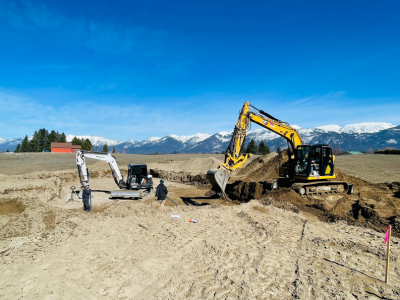
At JM Contracting we do our own excavation work. We are part of every process and design on your home build.
How long Have you worked with your subs?
JM Contracting has had long-lasting relationships with each of our partners and sub-contractors.
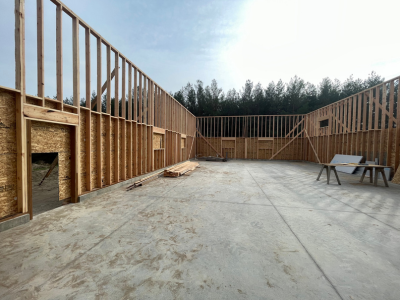
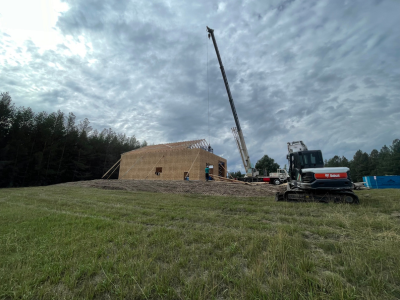
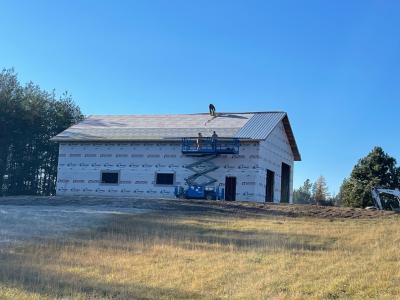
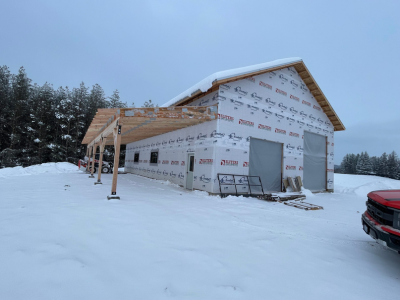
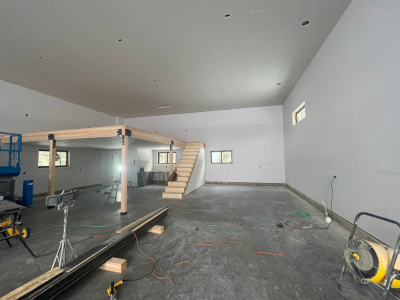
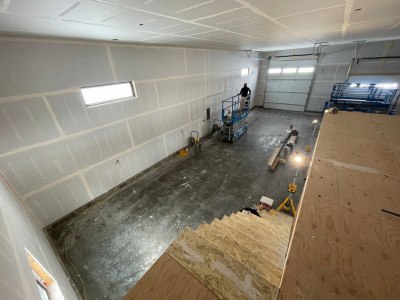
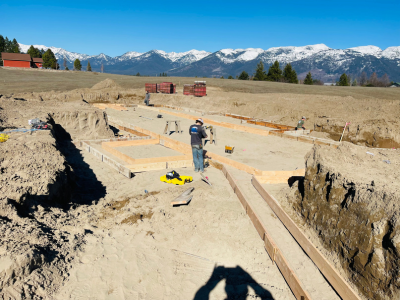
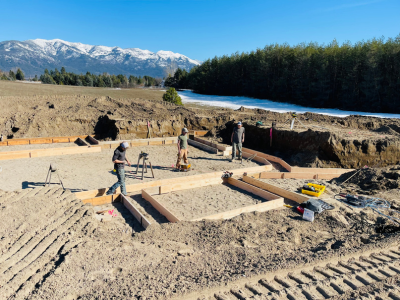
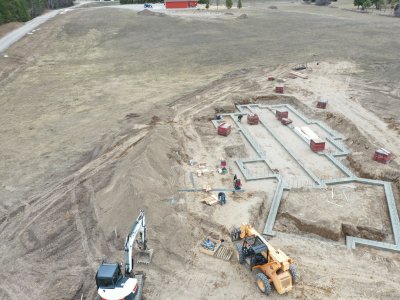
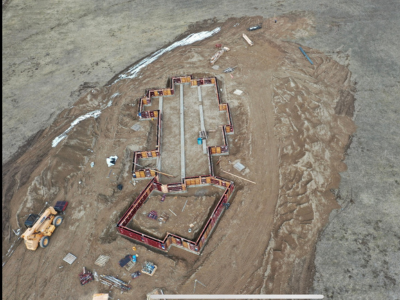
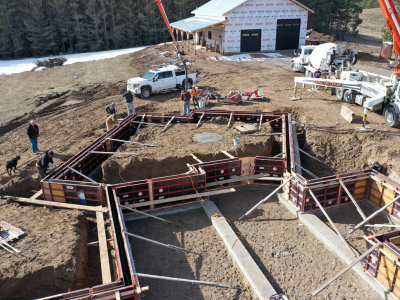
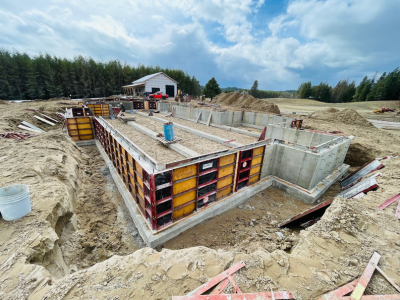
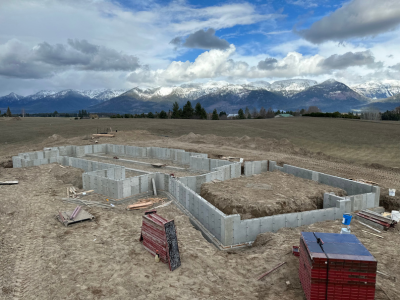
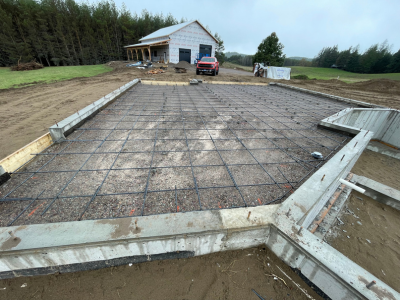
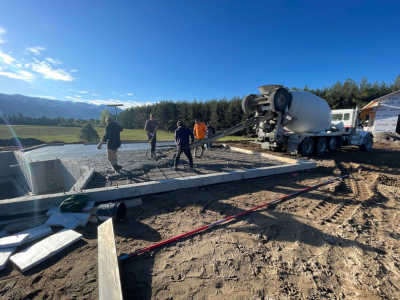
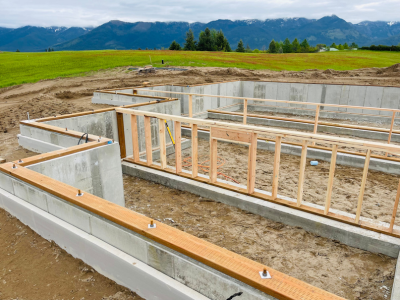
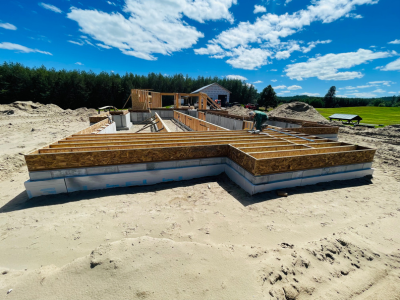
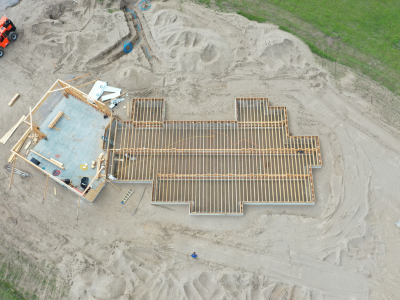
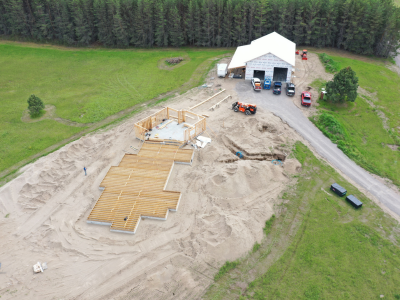
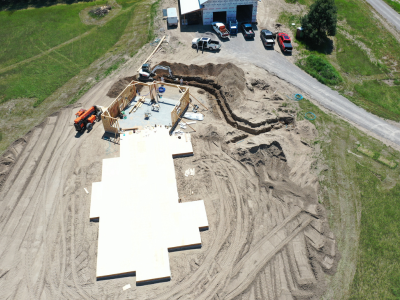
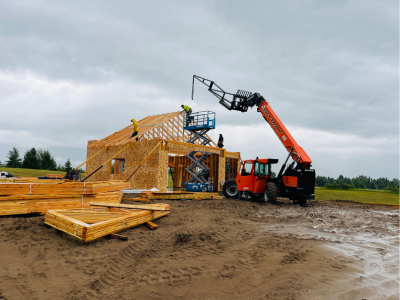
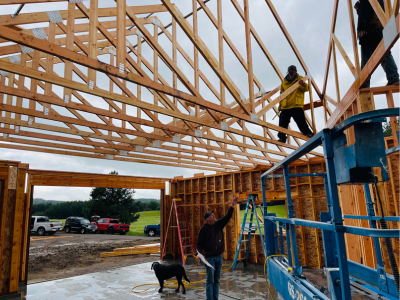
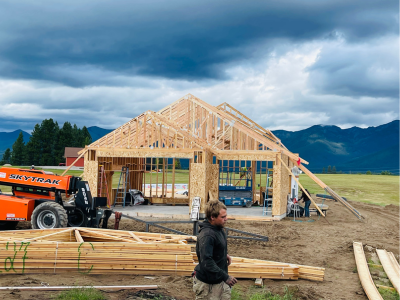
Current Project – 2024 Bigfork Custom Build
Client Testimonials
Having worked with many builders on projects from the Southeast to Montana, Jay and his team stayed in good contact, made positive changes to our plan, and helped us create our dream home.
-RR
I am a first time new home builder client but Jay and his crew have been amazing. The quality of their work is top notch and it is obvious that they all really love what they do for a living, it shows in the finished product.
JM Contracting doesn’t cut corners, they do the job right.
-TB
JM contracting took a dream of a Southern wrap-around porch and brought it to life to endure all the elements, and introduced new detail to enhance our vision.
-M
Contact JM Contracting